Transforming Health Care Delivery

Health care organizations need leaders who can deliver high-quality, compassionate care to patients while driving innovation and systemic change. Gain tools to transform your organization and lead boldly in a complex and rapidly evolving landscape.
Program Announcement
This program was previously known as Managing Health Care Delivery.
Thank you for your interest in this program. The application deadline for this program has passed and the program's availability is limited. The Admissions Committee may consider additional applications should space become available.
Who Should Attend
Clinical and nonclinical leaders with more than 10 years of experience in large established health care delivery organizations
Physician chiefs and subspecialty chiefs, nurse executives, and leaders from physician network organizations
Administrative executives and those in functions such as innovation, strategy, information technology, finance, and human capital
Individuals and teams are welcome to attend. Sending two or more representatives from your organization fosters teamwork and amplifies program impact.
Global Perspective

Experience
Years Worked
- 3%
Less than 10 years
- 24%
10-14 years
- 20%
15-19 years
- 32%
20-24 years
- 12%
25-29 years
- 6%
30-34 years
- 2%
35-39 years
- 1%
40 or more
Education
Highest Level Attained
- 2%
JD/Law
- 38%
MD
- 8%
PhD
- 21%
MBA
- 16%
MS/MA
- 5%
BS/BA
- 1%
Foreign Diploma
Companies That Have Participated
- Academic Medical Center, Amsterdam
- Christiana Care Health System, Inc.
- Cleveland Clinic
- Erie County Medical Center
- Helsinki University Hospital
- Indiana University Health
- Institute of Mental Health
- Intermountain Healthcare
- Kindred Healthcare
- Ochsner Health Systems
- Royal Victoria Regional Health Centre
Teaching Team
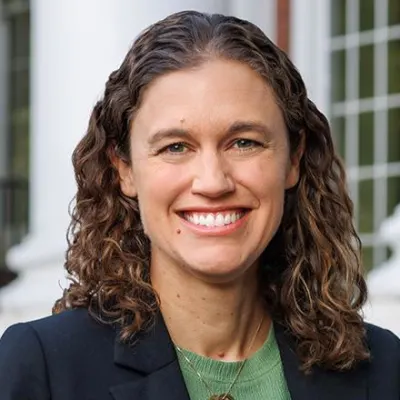
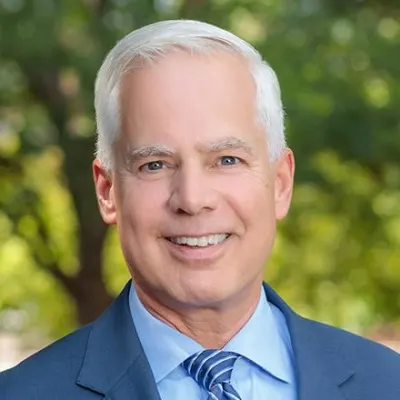
All our executive education programs are developed and taught by a team of widely recognized HBS faculty. Many are skilled educators, groundbreaking researchers, and award-winning authors. Through their board memberships, consulting, and field-based research, they address the complex challenges facing business leaders across the globe.
Faculty Chair
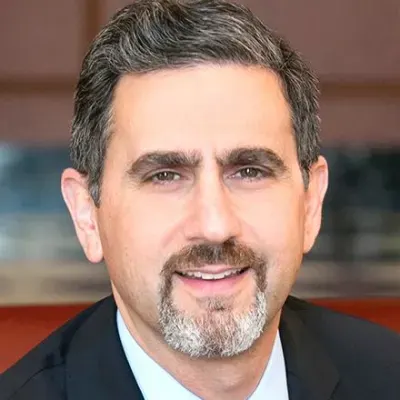
Robert S. Huckman
Albert J. Weatherhead III Professor of Business Administration, Howard Cox Health Care Initiative Faculty Co-Chair, Senior Associate Dean for Alumni Engagement and Development







The HBS Experience
This is a blended program that alternates in-person and virtual elements. Immersive modules take place on our storied campus where you'll live and learn at the heart of Boston's vibrant business, academic, and technology hubs. Virtual modules provide the opportunity to learn from anywhere in the world to provide flexibility for busy leaders.
At HBS, every detail is carefully calibrated to drive your success. Thoughtfully designed virtual learning experiences. Living arrangements and classrooms that spark connection. Unrivaled academic resources. And rejuvenating fitness, dining, and cultural amenities.

The dedicated Executive Education area of campus features multiple classroom buildings and three residence halls around a quad

Our well-appointed residence halls feature private bedrooms, living group lounges, and courtyards to fuel vibrant discussions
Program content, dates, schedule, fees, technology platforms, and faculty are subject to change. In accordance with Harvard University policy, Harvard Business School does not discriminate against any person on the basis of race, color, sex or sexual orientation, gender identity, religion, age, national or ethnic origin, political beliefs, veteran status, or disability in admission to, access to, treatment in, or employment in its programs and activities.