
Changing the Game: Negotiation and Competitive Decision-Making
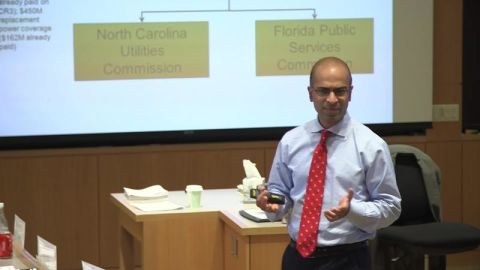
How mastering negotiation skills can set you apart as a business leader.
How mastering negotiation skills can set you apart as a business leader.

Summary
Whether you're executing a strategic sale, a vendor contract, or a high-stakes acquisition, your ability to negotiate can make or break your company's success—and your career. In this comprehensive negotiation training program, you will develop the psychological insights and practical skills needed to bargain more effectively, make better decisions on the spot, and consistently deliver results.
You may also be interested in the related program: Changing the Game: Negotiation and Competitive Decision-Making—Virtual.

This program is eligible for the Certificate of Management Excellence. Learn More
-
Summary
-
Whether you're executing a strategic sale, a vendor contract, or a high-stakes acquisition, your ability to negotiate can make or break your company's success—and your career. In this comprehensive negotiation training program, you will develop the psychological insights and practical skills needed to bargain more effectively, make better decisions on the spot, and consistently deliver results.
You may also be interested in the related program: Changing the Game: Negotiation and Competitive Decision-Making—Virtual.
This program is eligible for the Certificate of Management Excellence. Learn More
DetailsCollapse All
Achieve optimal results in key negotiationsAchieve optimal results in key negotiations
- Realize better outcomes by increasing your effectiveness at the negotiating table
- Build more effective relationships with the other parties involved
- Close deals that create more value for all parties and maximum results for your side
Build advantage through better decision-makingBuild advantage through better decision-making
- Recognize and overcome obstacles to rational decision-making
- Craft competitive and cooperative business strategies
- Predict the outcomes of strategic interactions
- Strengthen your organization's decision-making capabilities
Expand your personal and professional networkExpand your personal and professional network
- Extend your network by living and working with accomplished executives from various backgrounds, industries, and countries across the globe
- Build relationships with a diverse group of peers who can provide wide-ranging insights into your business challenges and career decisions
Who Should Attend
Executives who engage in activities such as business development, strategic alliances and business partnerships, dispute resolution and consensus building, procurement and purchasing, finance, consulting, and sales.



-
Who Should Attend
-
Executives who engage in activities such as business development, strategic alliances and business partnerships, dispute resolution and consensus building, procurement and purchasing, finance, consulting, and sales.
Dive Deeper into the ExperienceThrive in a learning environment that welcomes diverse ideas and perspectives.Learn and apply the advanced concepts of high-level negotiation.Global perspectives > Leadership growth > Organizational impact.
Learning and Living at HBS
When you participate in an Executive Education program on the HBS campus, you enter an immersive experience where every aspect of the learning model has been carefully designed to facilitate your growth. Your learning will take place on your own, in your living group, and in the larger classroom, driven by the renowned HBS case method.
-
Learning and Living at HBS
-
When you participate in an Executive Education program on the HBS campus, you enter an immersive experience where every aspect of the learning model has been carefully designed to facilitate your growth. Your learning will take place on your own, in your living group, and in the larger classroom, driven by the renowned HBS case method.
Admissions Criteria and Process








How mastering negotiation skills can set you apart as a business leader.