
Driving Corporate Performance: Aligning Scorecards and Structure for Strategy Execution
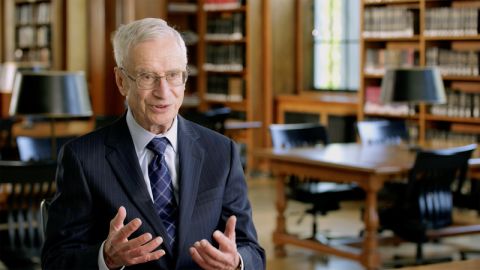
"This tool can be used to test any job, from top to bottom, and determine whether it's effectively designed."
"This tool can be used to test any job, from top to bottom, and determine whether it's effectively designed."


Summary
Corporate performance is about much more than financial results. How can your organization align its structures, systems, talent, and processes to execute a winning strategy? In Driving Corporate Performance, you will consider the diverse aspects of company performance and how executives are using powerful performance measurement and management control systems to confront some of today's biggest challenges and opportunities, such as improving employee motivation, using AI and data analytics effectively, and reporting on ESG progress. With a deeper understanding of strategy communication, accountability, and organizational design, you will emerge fully prepared to help your organization drive short-term and long-term success.

This program is eligible for the Certificate of Management Excellence. Learn More
-
Summary
-
Corporate performance is about much more than financial results. How can your organization align its structures, systems, talent, and processes to execute a winning strategy? In Driving Corporate Performance, you will consider the diverse aspects of company performance and how executives are using powerful performance measurement and management control systems to confront some of today's biggest challenges and opportunities, such as improving employee motivation, using AI and data analytics effectively, and reporting on ESG progress. With a deeper understanding of strategy communication, accountability, and organizational design, you will emerge fully prepared to help your organization drive short-term and long-term success.
This program is eligible for the Certificate of Management Excellence. Learn More
DetailsCollapse All
Drive your strategy throughout the entire organizationDrive your strategy throughout the entire organization
- Translate your company's mission and business strategy into performance targets and measures
- Implement more effective performance measurement and management control systems
- Link a customized Balanced Scorecard (BSC) strategy map to a succinct, powerful strategy statement for your organization
- Balance financial and nonfinancial performance measures
Design and lead a competitive, high-performing organizationDesign and lead a competitive, high-performing organization
- Leverage human resource capabilities as an essential component of strong performance
- Measure accountability and improve organizational design
- Motivate the organization's talent, including front-line employees, to do their part in achieving your company's strategic objectives
- Enhance competitiveness by better aligning all types of resources to customer needs
- Strengthen employee relationships and build a strong and enduring culture of helping others to succeed
Expand your personal and professional networkExpand your personal and professional network
- Extend your professional network by living and working with accomplished executives from various backgrounds, industries, and countries across the globe
- Build relationships with a diverse group of peers who can provide wide-ranging insights into your business challenges and career decisions
Who Should Attend
- General managers and senior executives (financial and others) who are responsible for designing and implementing systems to measure, monitor, and improve enterprise performance
- HR executives engaged in aligning the organization's talent with business strategy
- Particularly appropriate for: Executives with planning, control, and accounting responsibilities, including business unit heads, chief operating officers, chief financial officers, strategic planning officers, and controllers
Attendance by multiple company representatives will foster teamwork and amplify the program's impact. For example, attendance by general managers or chief operating officers along with senior financial executives, HR executives, or other senior leaders enables the organization to better align performance management systems with company strategy and to implement systems more quickly throughout the organization.
-
Who Should Attend
-
- General managers and senior executives (financial and others) who are responsible for designing and implementing systems to measure, monitor, and improve enterprise performance
- HR executives engaged in aligning the organization's talent with business strategy
- Particularly appropriate for: Executives with planning, control, and accounting responsibilities, including business unit heads, chief operating officers, chief financial officers, strategic planning officers, and controllers
Attendance by multiple company representatives will foster teamwork and amplify the program's impact. For example, attendance by general managers or chief operating officers along with senior financial executives, HR executives, or other senior leaders enables the organization to better align performance management systems with company strategy and to implement systems more quickly throughout the organization.



Learning and Living at HBS
When you participate in an Executive Education program on the HBS campus, you enter an immersive experience where every aspect of the learning model has been carefully designed to facilitate your growth. Your learning will take place on your own, in your living group, and in the larger classroom, driven by the renowned HBS case method.
-
Learning and Living at HBS
-
When you participate in an Executive Education program on the HBS campus, you enter an immersive experience where every aspect of the learning model has been carefully designed to facilitate your growth. Your learning will take place on your own, in your living group, and in the larger classroom, driven by the renowned HBS case method.
Admissions Criteria and Process










"This tool can be used to test any job, from top to bottom, and determine whether it's effectively designed."